EBO2 (EBOO) vs Plasmapheresis: What Each Procedure Does to Blood
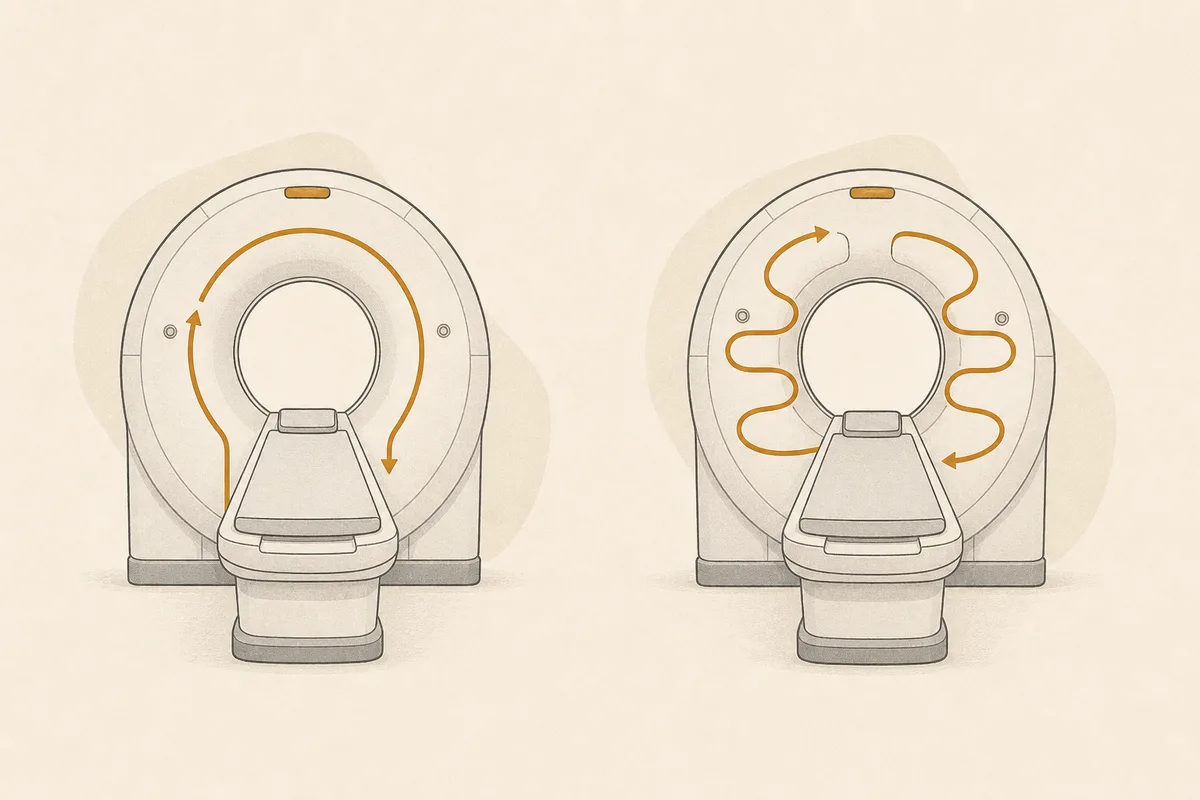
EBO2 (also called EBOO) and plasmapheresis both draw blood into a machine and return it through a vein, which is why the two get compared. They do different things to that blood. In therapeutic plasma exchange, in the words of a patient fact sheet published by the American Society for Apheresis, “a machine separates and removes the patient’s plasma, replacing it with another fluid,” most often “5% human albumin” [1]. In EBOO, whole blood flows past a membrane carrying a gas “composed of medical oxygen and ozone (about 99 and 1%, respectively),” and the blood goes back to the patient [10][11]. This guide sets the two side by side from FDA records, the Society’s guidelines, its patient fact sheet, and the EBOO papers, so a reader can see what each procedure does, how each is run, and how each is regulated. It makes no claim that either is better for anything. Ozone therapy is not FDA-approved for any condition, and federal regulation calls ozone “a toxic gas with no known useful medical application in specific, adjunctive, or preventive therapy” [15].
What plasma exchange does
Plasma, in the patient fact sheet, is the “liquid” part of blood, which “contains proteins, electrolytes, vitamins, hormones, etc.” but not the blood cells or platelets [1]. Plasma exchange “is used when it is necessary to remove disease-causing proteins, called antibodies,” and because “it is often not possible to remove only the protein that is causing the disease,” the plasma itself is removed [1]. Most machines “use a centrifuge to separate the blood into its different parts,” and “a solution containing citrate” keeps blood from clotting [1]. Blood can be drawn from one arm and returned to the other, or through a central venous catheter in people with small or fragile veins [1]. An average procedure “lasts about 2 hours,” and the number of procedures “depends on the disease that is being treated” [1].
One ASFA registry gives a sense of the amount. In 26 patients with recurrent focal segmental glomerulosclerosis after kidney transplant, treated at seven US centers, most procedures used albumin and citrate and exchanged 1 to 1.5 plasma volumes [4]. The fact sheet also warns that plasma exchange “can remove large amounts of some medications” and advises patients to talk to their physicians about medication changes before the procedure [1].
What EBOO does
EBOO adds something to blood rather than taking a component out. The Siena group that developed it described treating up to 4,800 ml of heparinized blood with an oxygen-ozone mixture “(0.5-1 microg/ml oxygen)” in one hour, and a standard course of 14 one-hour sessions over 7 weeks [8]. Its gas exchanger used ozone-resistant polypropylene fibers, with blood on the outside and gas flowing inside [10]. A later Siena paper describes blood drawn from and returned to “two contralateral veins” and says about 5 L of blood can be treated in an hour [12]. A 2023 US series ran blood through a dialysis chamber at 30 to 40 mL/min for “exactly 1 hour,” with ozone at 10 to 60 μg/mL and heparin given as a slow drip [11].
What the papers measured is the change in the blood, not removal from it. After a session, the developers reported thiobarbituric acid reactants rising four- to fivefold and plasma protein thiols falling “without any appreciable erythrocyte haemolysis” [8]. The 2023 series measured an average ozone uptake of 37% of the generator’s output [11]. No EBOO paper we found reports a plasma component, antibody, or other substance removed and measured. Our guide to what the filter removes goes through what has and has not been measured.
Side by side
Figures are in each source’s own units.
| Row | Therapeutic plasma exchange | EBOO |
|---|---|---|
| What happens to the blood | Plasma separated and removed, then replaced [1] | Whole blood exposed to oxygen-ozone gas across a membrane and returned [10][11] |
| What is taken out | Plasma, including antibodies [1] | Nothing measured in any study we found |
| What goes back | The blood cells with “another fluid,” most often 5% human albumin, sometimes donated plasma [1] | The same blood, after taking up ozone: an average of 37% of the generator’s output in one series [11] |
| How the machine works | Most use a centrifuge; FDA also lists membrane separators [1][6] | A gas exchanger [10] or a dialysis chamber [11] |
| Anticoagulant | Citrate [1] | Heparin [8][11] |
| Access | A needle in each arm, or a central venous catheter [1] | Two veins [12]; a 20-gauge catheter in each arm in one series [11] |
| Session length | “About 2 hours” on average [1] | 1 hour [8][11] |
| Amount handled | 1 to 1.5 plasma volumes in one registry [4] | Up to 4,800 ml of blood in an hour [8] |
| Number of sessions | Depends on the disease [1] | 14 sessions over 7 weeks in the developers’ standard course [8] |
| Setting | Hospital for urgent first treatment; often an outpatient clinic for maintenance [1] | Integrative and wellness clinics; our clinic directory lists them |
| Graded indications | 93 fact sheets with 183 graded and categorized indications, tenth edition [22] | None; one 28-patient randomized trial [9] |
| FDA device status | Centrifugal therapeutic separators: unclassified, pre-amendment, 510(k) [5]; membrane separators: Class III, premarket approval [6] | A device-name search for “ozone” finds no records [14]; one maker’s EBOO devices adulterated for lack of premarket approval [13] |
How each is regulated
FDA’s product classification database lists therapeutic plasma separators under two product codes. “Separator, automated, blood cell and plasma, therapeutic” is unclassified with the reason “Pre-Amendment” and reaches the market through a 510(k) submission [5]. “Separator for therapeutic purposes, membrane automated blood cell/plasma” is a Class 3 device that needs premarket approval, and FDA recognizes a consensus standard for it, ISO 8637-3 on plasmafilters [6]. Both are reviewed by FDA’s renal, gastrointestinal, obesity and transplant devices team [5][6].
One regulation often cited for plasmapheresis machines covers something else. 21 CFR 864.9245 identifies an automated blood cell separator that draws whole blood “from a donor” and is “intended for routine collection of blood and blood components for transfusion or further manufacturing use”; it is Class II with special controls [7]. That is donor collection, not therapeutic plasma exchange. An earlier version of this guide cited it for plasma exchange devices, and we have corrected it.
We found no product code for EBOO equipment. A device-name search for “ozone” in FDA’s classification database returned “No records were found” on October 2, 2026 [14]. In July 2025, FDA told a Michigan maker of EBOO equipment that its devices were adulterated because no premarket approval application was in effect and misbranded because it had not filed a 510(k) notification [13]. The same letter records that the maker’s EBOO kits included purchased “High Flux Polyethersulfone Disposable Haemodialysers” from a supplier it had not evaluated [13]. As of October 4, 2026, 148 of the 174 clinics whose EBO2 page we could read do not say there whether EBO2 or its equipment is FDA-approved; the “From our data” section below shows how the rest word it.
Apheresis as a family has other members with FDA-approved uses. An American Heart Association statement says lipoprotein apheresis, which lowers LDL cholesterol and lipoprotein(a), is used in the United States for only “a fraction of its Food and Drug Administration-approved indications” [20].
How the evidence is organized
The American Society for Apheresis grades therapeutic apheresis disease by disease. Since its fourth edition in 2007, its writing committee has used systematic review and evidence-based approaches to grade the evidence and categorize each indication in a fact sheet [3]. The eighth edition, in 2019, held 84 fact sheets with 157 graded and categorized indications [3]. The ninth, in 2023, held 91 fact sheets and 166 graded and categorized indications, including seven new fact sheets and eight changes of category [2]. The tenth, in 2026, holds 93 fact sheets and 183 graded and categorized indications, including two new fact sheets [22]. The patient fact sheet names Guillain-Barré syndrome, chronic inflammatory demyelinating polyneuropathy, myasthenia gravis, hyperviscosity, and thrombotic thrombocytopenic purpura among conditions “commonly treated with plasma exchange” [1].
EBOO has no such framework. Its controlled evidence is one randomized trial of 28 patients with peripheral artery disease, comparing EBOO with intravenous prostacyclin at the developers’ hospital [9]. On October 2, 2026, ClinicalTrials.gov listed no registered study under “extracorporeal blood oxygenation and ozonation,” “EBOO,” or “EBO2” [19]. The fuller list of what has been studied is in our guide to whether EBO2 works.
Why the two get compared
Some clinic language invites the comparison. One clinic’s EBOO page describes the procedure as “EBOO (Apheresis)” [17]. Another clinic that offers EBOO draws the line the other way: “The closest medical intervention we have to true ‘filtering’ the blood is called therapeutic plasma exchange (TPE) or plasmapheresis,” which it says can “remove up to 3 liters of your plasma and replace it with new proteins and colloid solution” [16]. The same page says no validated US research shows what an EBOO collection canister contains [16]. The two have also been combined. A 2011 study in the journal Vestnik Oftalmologii described plasmapheresis with ozonation of the cell mass in 179 patients (209 eyes) with uveitis and reported an advantage for the method; its abstract gives no figures and does not say what the comparison groups received [21]. The comparison with kidney dialysis, the other machine EBOO is likened to, is in our EBOO vs dialysis guide.
Risks as each source describes them
The patient fact sheet lists common side effects of plasma exchange as “fatigue, nausea, dizziness, feeling cold and tingling in the fingers and around the mouth, allergic reaction, and lowered blood pressure,” and says serious complications such as “abnormal heart beat, seizures, electrolyte abnormalities, and unexplained bleeding are extremely rare” [1].
For EBOO, the safety record is the developers’ and practitioners’ own reports. The 2005 trial recorded “no side effects or complications” in 210 EBOO treatments [9]; the 2023 US series reports “at least 400 sessions of ozone dialysis with no untoward effects observed” at the authors’ clinic [11]. Neither is a systematic adverse-event study. Other ozone routes have case reports of harm, including a woman with chronic kidney disease who developed high potassium and sinus arrest after ozone autohemotherapy [18]. Our ozone therapy adverse events guide and side effects and safety guide cover the wider record.
Questions to ask if EBOO is offered in place of plasma exchange
These follow from the table and can be put to the clinic and to the physician treating the condition.
- What does the procedure take out of the blood, how much, and has anyone measured it? For plasma exchange the answer is plasma, by the volume prescribed [1][4]. For EBOO no study we found gives one.
- What does the fact sheet for this diagnosis in the American Society for Apheresis’s guidelines say about plasma exchange [2]?
- Which device is used, and what is its FDA status for this use [5][6][13][14]?
- Which anticoagulant is used, and how much? Plasma exchange usually uses citrate [1]; the EBOO papers describe heparin [8][11].
- Who manages a reaction during the session, and where is the nearest hospital if one is needed? The patient fact sheet says urgent plasma exchange is done in the hospital [1].
- What happens to current medicines? Plasma exchange can remove large amounts of some of them [1].
What we could not verify
- The patient fact sheet carries a disclaimer: its publication “does not constitute an endorsement by ASFA,” ASFA “has not reviewed these materials,” and its views “represent the opinion of the authors” [1]. It prints no date; we date it 2021 from its file.
- The definitions of the Society’s categories and grades, and which category each condition holds. We could read only the abstracts of the ninth and tenth editions; the full text of the ninth sat behind the publisher [2][22].
- Typical plasma volumes exchanged across all indications. The one figure we cite comes from a registry of a single condition [4].
- Whether any EBOO circuit in use removes plasma, antibodies, or other proteins in measurable amounts. We found no study that tested it.
- The clinic statement that plasma exchange can remove “up to 3 liters” of plasma [16], which we could not match to a primary source.
- How many US clinics use a dialyzer, a purpose-built gas exchanger, or another cartridge for EBOO.
How this guide was made
This guide rests on 22 sources: a patient fact sheet published by the American Society for Apheresis, three editions of its guidelines, and one of its registry reports; three FDA database records, two federal regulations, and an FDA warning letter; eight other papers listed on PubMed; a ClinicalTrials.gov search; and two clinic pages, which are cited only for what those clinics state. The FDA-wording and course figures in the “From our data” section come from our dataset of clinic pages, as of October 4, 2026. Drafting used AI tools. A human editor has not yet checked this guide claim by claim against its sources. No clinical reviewer has signed off on this guide yet.
From our data
How many sessions clinics recommend and sell
Of 174 clinics whose EBO2 page we could read, 69 state a recommended course and 17 publish a package price.
Of the 69 that state a course, 48 give a number of sessions, from 1 to 15. The median of the smallest number each clinic names is 3, and of the largest is 6.
The package sizes are 3 sessions (16 clinics), 5 sessions (4 clinics) and 4 sessions (1 clinic).
A clinic's recommended course is its own advice, not a finding from a study. Read between September 28, 2026 and October 4, 2026.
How clinics word FDA status
Of 174 clinics whose EBO2 page we could read, this many:
Registering a device or listing it with the FDA is not approval or clearance (21 CFR 807.39 and 807.97). Read between September 28, 2026 and October 4, 2026.
Frequently asked questions
Is EBO2 a type of plasmapheresis or apheresis?
No. Apheresis separates blood into its parts and removes one of them; plasma exchange removes plasma and replaces it. EBOO circulates whole blood past a gas exchange membrane carrying oxygen and ozone and returns it. One clinic page nonetheless labels EBOO as apheresis.
Does EBO2 remove plasma or antibodies?
No source we found says it does, and no study we found has measured antibodies or any other plasma component removed by an EBOO circuit. Plasma exchange is used when, in the words of a patient fact sheet published by the American Society for Apheresis, it is necessary to remove disease-causing proteins called antibodies.
Can EBO2 replace plasma exchange for an autoimmune or neurologic disease?
No study we found has compared them, and no EBOO study we found has tested an autoimmune or neurologic condition. Plasma exchange is a standard treatment for conditions such as Guillain-Barré syndrome and myasthenia gravis. A neurologist or the apheresis team treating the condition can say what a substitution would risk.
How is plasmapheresis regulated compared with EBO2?
FDA lists centrifugal therapeutic plasma separators as an unclassified, pre-amendment device type marketed through 510(k), and membrane separators as Class III devices that need premarket approval. A device-name search for ozone in FDA's classification database returns no records, and in 2025 FDA told a maker of EBOO equipment its devices lacked premarket approval.
Which takes longer, plasma exchange or EBO2?
A patient fact sheet published by the American Society for Apheresis says an average plasma exchange lasts about 2 hours. The EBOO papers describe 1-hour sessions, and clinics' own stated session lengths are summarized in the From our data section of our dialysis comparison.
Sources
- Procedure: Therapeutic Plasma Exchange (also referred to as therapeutic plasmapheresis). American Society for Apheresis, 2021. Other
- Guidelines on the Use of Therapeutic Apheresis in Clinical Practice, Evidence-Based Approach from the Writing Committee of the American Society for Apheresis: The Ninth Special Issue. Journal of Clinical Apheresis (PubMed), 2023. Peer-reviewed
- Guidelines on the Use of Therapeutic Apheresis in Clinical Practice, Evidence-Based Approach from the Writing Committee of the American Society for Apheresis: The Eighth Special Issue. Journal of Clinical Apheresis (PubMed), 2019. Peer-reviewed
- Report of the ASFA Apheresis Registry Study on Focal Segmental Glomerulosclerosis. Journal of Clinical Apheresis (PubMed), 2025. Peer-reviewed
- Product Classification: separator, automated, blood cell and plasma, therapeutic (LKN). US Food and Drug Administration, 2026. Regulatory
- Product Classification: separator for therapeutic purposes, membrane automated blood cell/plasma (MDP). US Food and Drug Administration, 2026. Regulatory
- 21 CFR 864.9245 Automated blood cell separator. eCFR (FDA), 2026. Regulatory
- Extracorporeal blood oxygenation and ozonation: clinical and biological implications of ozone therapy. Redox Report (PubMed), 2005. Peer-reviewed Our notes on this study: Extracorporeal blood oxygenation and ozonation: clinical and biological implications of ozone therapy
- Extracorporeal blood oxygenation and ozonation (EBOO): a controlled trial in patients with peripheral artery disease. International Journal of Artificial Organs (PubMed), 2005. Peer-reviewed Our notes on this study: Extracorporeal blood oxygenation and ozonation (EBOO): a controlled trial in patients with peripheral artery disease
- Oxygenation-ozonation of blood during extracorporeal circulation: in vitro efficiency of a new gas exchange device. Artificial Organs (PubMed), 2007. Peer-reviewed Our notes on this study: Oxygenation-ozonation of blood during extracorporeal circulation: in vitro efficiency of a new gas exchange device
- Ozone dialysis delivers three or more times the ozone than other forms of ozone blood treatment. Medical Gas Research (PubMed), 2023. Peer-reviewed Our notes on this study: Ozone dialysis delivers three or more times the ozone than other forms of ozone blood treatment
- Oxygen/ozone as a medical gas mixture. A critical evaluation of the various methods clarifies positive and negative aspects. Medical Gas Research (PubMed), 2011. Peer-reviewed
- Warning Letter: O3UV, LLC - 668840 - 07/07/2025. US Food and Drug Administration (CBER), 2025. Regulatory
- Product Classification database search: device name ozone. US Food and Drug Administration, 2026. Regulatory
- 21 CFR 801.415 Maximum acceptable level of ozone. eCFR (FDA), 2026. Regulatory
- EBOO/EBO2 Ozone Therapy. San Diego Center for Restorative Medicine, 2026. Clinic-stated
- EBOO Ozone Dialysis. USA Medical Research Institute, 2026. Clinic-stated
- Ozone therapy induced sinus arrest in a hypertensive patient with chronic kidney disease: A case report. Medicine, Baltimore (PubMed), 2017. Peer-reviewed Our notes on this study: Ozone therapy induced sinus arrest in a hypertensive patient with chronic kidney disease: A case report
- ClinicalTrials.gov search: extracorporeal blood oxygenation and ozonation. U.S. National Library of Medicine, 2026. Other
- Lipoprotein apheresis: utility, outcomes, and implementation in clinical practice: a scientific statement from the American Heart Association. Arteriosclerosis, Thrombosis, and Vascular Biology (PubMed), 2024. Peer-reviewed Our notes on this study: Lipoprotein apheresis: utility, outcomes, and implementation in clinical practice: a scientific statement from the American Heart Association
- Plasmapheresis combined with cell mass ozonation in endogenous uveitis treatment. Vestnik Oftalmologii (PubMed), 2011. Peer-reviewed Our notes on this study: Plasmapheresis combined with cell mass ozonation in endogenous uveitis treatment
- Guidelines on the Use of Therapeutic Apheresis in Clinical Practice-Evidence-Based Approach From the Writing Committee of the American Society for Apheresis: The Tenth Special Issue. Journal of Clinical Apheresis (PubMed), 2026. Peer-reviewed