Lipoprotein apheresis: utility, outcomes, and implementation in clinical practice: a scientific statement from the American Heart Association
Gianos E, Duell PB, Toth PP, et al. Arteriosclerosis, Thrombosis, and Vascular Biology, 2024.
- Study type
- Review
- People studied
- No participants of its own (review)
- Published
- 2024, Arteriosclerosis, Thrombosis, and Vascular Biology
- Identifiers
- PMID 39370995, DOI 10.1161/ATV.0000000000000177
What the authors reported
An American Heart Association scientific statement on lipoprotein apheresis, an extracorporeal procedure with FDA-approved indications that the authors call a valuable but underused option for lowering LDL cholesterol and lipoprotein(a), reviewing its history, mechanisms, outcomes, and indications.
What limits this result
Reviews an established, evidence-graded procedure for cholesterol removal; does not evaluate EBO2 or claim that EBO2's filter achieves comparable, measured lipid removal.
How ozone acts on blood and cells, how blood filters work, the laboratory and device-development studies behind the EBOO circuit, and studies that measure markers in the blood rather than how patients fare. None of these shows whether EBO2 helps patients. One study rarely settles a medical question; our guides weigh each paper against the rest of the evidence.
How the study was done
- Design
- Scientific statement reviewing the history of lipoprotein apheresis, mechanisms of action, cardiovascular and renal outcomes data, indications, and options for treatment
- Setting
- American Heart Association councils, including the Council on Arteriosclerosis, Thrombosis and Vascular Biology
American Heart Association Council on Arteriosclerosis, Thrombosis and Vascular Biology; Council on Cardiovascular and Stroke Nursing; Council on Clinical Cardiology; Council on Lifelong Congenital Heart Disease and Heart Health in the Young; and Council on Peripheral Vascular Disease
- Read from
- Read from the abstract only; where this page says nothing about an item, the abstract does not report it. Read on September 28, 2026.
Source: Abstract on PubMed
What it measured
- Role of lipoprotein apheresis (LA) in lowering LDL cholesterol and lipoprotein(a)
- Described as a valuable but underused adjunctive therapeutic option, particularly in children and adults with familial hypercholesterolemia
- Effects of LA beyond lipid lowering
- Reduces serum levels of proinflammatory and prothrombotic factors, reduces blood viscosity, increases microvascular myocardial perfusion, and may provide beneficial effects on endothelial function
- Cardiovascular outcomes with LA
- Multiple observational studies demonstrate strong evidence for improved cardiovascular outcomes with LA
- Use of LA in the United States
- Limited to a fraction of its Food and Drug Administration-approved indications
- LA in refractory focal segmental glomerulosclerosis
- Limited data regarding LA benefit
Source: Abstract on PubMed
Where we cite this study
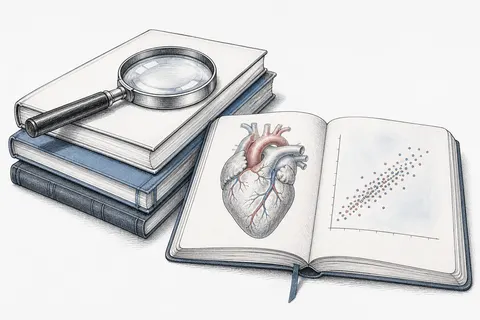
Does EBO2 (EBOO) Work? The Evidence, Study by Study
Every study in our EBO2 (EBOO) library in one place: design, size, what was measured and found, its limits, and a check for any study a clinic cites.
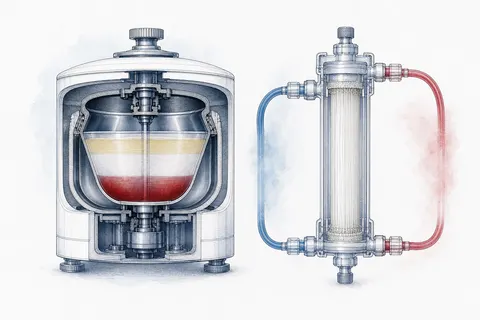
EBO2 (EBOO) vs Plasmapheresis: What Each Procedure Does to Blood
EBO2 (EBOO) and plasmapheresis side by side from FDA records and apheresis guidelines: what each takes out or adds, how it runs, how it is regulated.
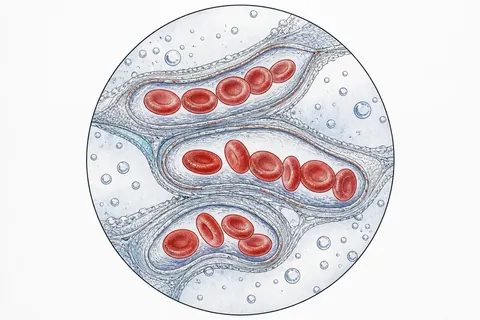
What Does the EBO2 (EBOO) Filter Actually Remove?
What the EBO2 (EBOO) filter removes: what papers measured, what is theory borrowed from dialysis, what clinics claim, and what a filtrate lab report must show.