Ozone therapy induced sinus arrest in a hypertensive patient with chronic kidney disease: A case report
Tang WJ, Jiang L, Wang Y, et al. Medicine (Baltimore), 2017.
- Study type
- Case report
- People studied
- 1 person
- Population
- 54-year-old woman with hypertension, diabetes, and chronic kidney disease
- Published
- 2017, Medicine (Baltimore)
- Identifiers
- PMID 29390373, DOI 10.1097/MD.0000000000009265
What the authors reported
A patient using ozone autohemotherapy for hypertension and diabetes developed sudden dizziness from hyperkalemia that progressed to sinus arrest; the arrhythmia resolved after stopping ozone therapy and treating the hyperkalemia.
What limits this result
Single case report; the association between ozone autohemotherapy and hyperkalemia-induced sinus arrest is based on temporal sequence, not confirmed mechanistic causation.
Harms reported after ozone therapy, and studies of how ozone exposure affects health. One study rarely settles a medical question; our guides weigh each paper against the rest of the evidence.
How the study was done
- Design
- Case report
This case report was approved by the institutional review board of Anzhen Hospital.
- Setting
- Department of Hypertension, Beijing Anzhen Hospital of Capital Medical University, Beijing, China (corresponding author's affiliation)
- Read from
- Read from the full text of the paper. Read on September 28, 2026.
Source: Full text on PubMed Central
Study arms
| Group | Participants | What they received |
|---|---|---|
| Single patient | Not reported | Ozone autohemotherapy to treat hypertension and diabetes, for 9 days prior to admission |
Source: Full text on PubMed Central
Procedure as reported
- Ozone concentration
- Dose unknown; ozone combined with the extracted blood at a 1:1 ratio (as described by the patient)
- Blood volume
- 100 mL of extracted blood (as described by the patient)
The treatment method as described by the patient involved combining 100 mL of extracted blood with ozone (the dose was unknown) at a 1:1 ratio.
- Sessions
- Received for 9 days prior to admission
the patient received ozone autohemotherapy to treat hypertension and diabetes for 9 days prior to admission
In the paper's own units, not converted.
Source: Full text on PubMed Central
What it measured
- Physical examination on admission
- Blood pressure 158/76 mmHg, respiration 28 beats/min, heart rate 40 beats/min, blood oxygen saturation 98%
- Electrocardiogram on admission
- Sinus arrest with junctional escape beat rhythm and T wave tip
- Emergency blood potassium
- 6.8 mmol/L
- Routine blood tests
- Normal: red blood cells 3.67 T/L, hemoglobin 101 g/L, hematocrit 30%, mean corpuscular volume 81.7 fl
- Creatinine and potassium between October 31st and November 6th, before admission
- Creatinine rapidly increased from 94 to 131 μmol/L, but no difference in her potassium level was noted
- Blood potassium after treatment (insulin, sodium bicarbonate, and sodium polystyrene sulfonate)
- Remained in the normal range
- 24-hour dynamic electrocardiogram after 3 days of treatment
- Sinus rhythm with an average heart rate of 82 beats/min, occasional ventricular premature beats, and no ST segment depression
Source: Full text on PubMed Central
Safety as reported
Sinus arrest in a hypertension patient with chronic kidney disease, caused by hyperkalemia after ozone therapy
Source: Full text on PubMed Central
Funding and conflicts
Acknowledged support: clinical research cooperation projects, Capital Medical University (No. 16JL42); Presidential Foundation of Beijing Anzhen Hospital (No. 2016P01); Youth Science Foundation Project of Jiangxi province (20171BAB215004)
Source: Full text on PubMed Central
Where we cite this study

Who Should Not Get EBO2 (EBOO)? Contraindications Compared Across Sources
What an ozone physiologist, an Italian consensus, a trial's exclusions, and eleven EBO2 clinics list as reasons not to treat, compared condition by condition.

Does EBO2 (EBOO) Work? The Evidence, Study by Study
Every study in our EBO2 (EBOO) library in one place: design, size, what was measured and found, its limits, and a check for any study a clinic cites.
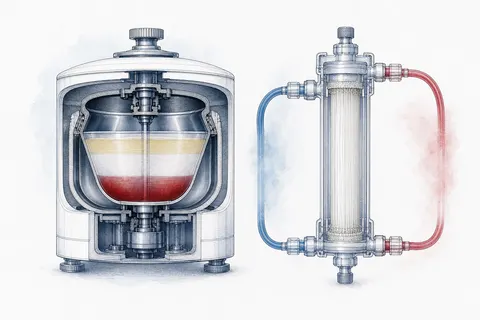
EBO2 (EBOO) vs Plasmapheresis: What Each Procedure Does to Blood
EBO2 (EBOO) and plasmapheresis side by side from FDA records and apheresis guidelines: what each takes out or adds, how it runs, how it is regulated.
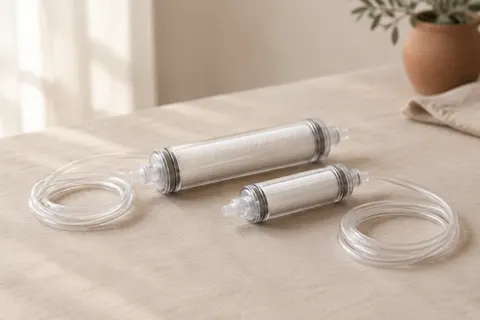
EBO2 (EBOO) vs Dialysis: How Ozone Dialysis Compares With Hemodialysis
EBO2 (EBOO), sold as ozone dialysis, set beside hemodialysis from primary sources: the filter, what flows past it, flow rates, FDA status, and the evidence.

Ozone Therapy Adverse Events by Route: What Case Reports Show, and Where EBO2 (EBOO) Fits
Every ozone therapy adverse event we could read in case reports and series, grouped by route, plus how to search FDA's MAUDE data and report to MedWatch.

EBO2 (EBOO) Side Effects and Safety: What Studies, Case Reports, and Regulators Record
What the EBOO studies record about side effects, the harms documented with other ozone procedures, the risks of the circuit, and what regulators have found.