Ozonation of blood during extracorporeal circulation. II. Comparative analysis of several oxygenator-ozonators and selection of one type
Bocci V, Di Paolo N, Borrelli E, et al. International Journal of Artificial Organs, 2001.
- Study type
- In vitro
- People studied
- No participants reported (laboratory study)
- Population
- Human blood exposed ex vivo to oxygen-ozone in dialysis exchangers, oxygenators, and hydrophobic hollow-fiber devices
- Published
- 2001, International Journal of Artificial Organs
- Identifiers
- PMID 11831595
What the authors reported
Comparing devices for exposing human blood to oxygen-ozone ex vivo, the authors found dialysis membranes unsuitable (all but one gas-transfer inefficient, allowing ultrafiltration, ozone-vulnerable) and improperly coated polypropylene fibers prone to platelet aggregation and clotting, prohibitive with ozone. Newer biocompatible oxygenators could treat up to 5 L of blood in about an hour.
What limits this result
Bench comparison of devices with human blood ex vivo, not the EBOO procedure as given to patients, and no clinical outcomes. The abstract names neither the devices compared nor the one selected, and gives no numeric results. Abstract only.
How ozone acts on blood and cells, how blood filters work, the laboratory and device-development studies behind the EBOO circuit, and studies that measure markers in the blood rather than how patients fare. None of these shows whether EBO2 helps patients. One study rarely settles a medical question; our guides weigh each paper against the rest of the evidence.
How the study was done
- Design
- Comparative analysis of several oxygenator-ozonators for exposing human blood to oxygen-ozone ex vivo, and selection of one type
- Setting
- Institute of General Physiology, University of Siena, Italy (author affiliation)
- Read from
- Read from the abstract only; where this page says nothing about an item, the abstract does not report it. Read on October 2, 2026.
Source: Abstract on PubMed
Study arms
| Group | Participants | What they received |
|---|---|---|
| Dialysis exchangers (semipermeable membranes) | Not reported | Used to expose human blood to oxygen-ozone ex vivo |
| Hydrophobic O3-resistant hollow fiber capillaries (polypropylene) | Not reported | Several types examined over the last three years |
| New oxygenators prepared with more biocompatible materials | Not reported | Used to oxygenate and ozonate blood |
Source: Abstract on PubMed
What it measured
- Human blood exposed to oxygen-ozone in dialysis exchangers or normal oxygenators
- A number of problems; one, linked to platelet activation, leads to rapid occlusion and no gas exchange
- Semipermeable (dialysis) membranes
- Unsuitable: except for one, gas-transfer inefficient, allowed ultrafiltration, and more or less vulnerable to ozone
- Polypropylene hollow fibers without proper coating
- Platelet aggregation and blood coagulation; far less relevant with oxygen alone, prohibitive in the presence of ozone
- Capacity of the newer biocompatible oxygenators
- Up to 5 L of blood oxygenated and ozonated in about an hour, which the authors say makes treating critical patients feasible
it has become possible to oxygenate and ozonate up to 5L of blood in about an hour, thus making the treatment of critical patients feasible
Source: Abstract on PubMed
Where we cite this study
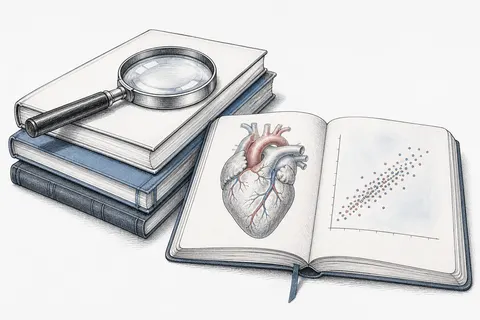
Does EBO2 (EBOO) Work? The Evidence, Study by Study
Every study in our EBO2 (EBOO) library in one place: design, size, what was measured and found, its limits, and a check for any study a clinic cites.
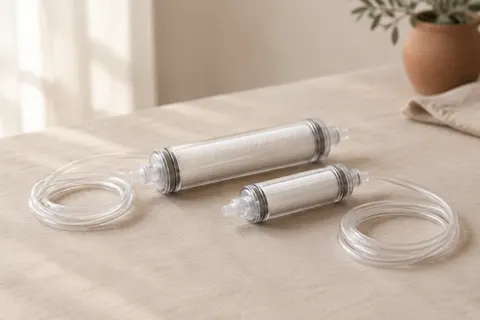
EBO2 (EBOO) vs Dialysis: How Ozone Dialysis Compares With Hemodialysis
EBO2 (EBOO), sold as ozone dialysis, set beside hemodialysis from primary sources: the filter, what flows past it, flow rates, FDA status, and the evidence.
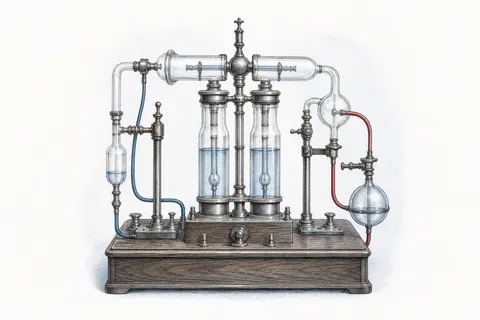
The History of EBO2 (EBOO): A Dated Timeline From Siena to US Clinics
When and where EBO2 (EBOO) began, how it reached US clinics, and how regulators responded, as a dated timeline in which every entry cites its source.
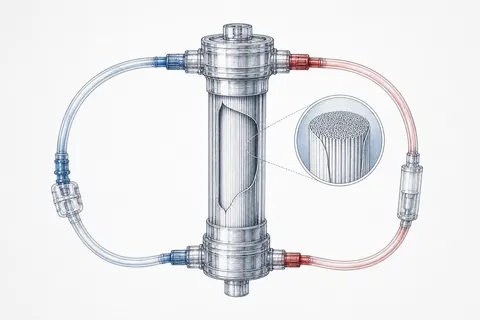
What Is EBO2 (EBOO)? The Procedure, the Evidence, and What Regulators Say
What EBO2 (EBOO) is, step by step from the papers that introduced it, how the US clinic version differs, what regulators say, and what is still unknown.
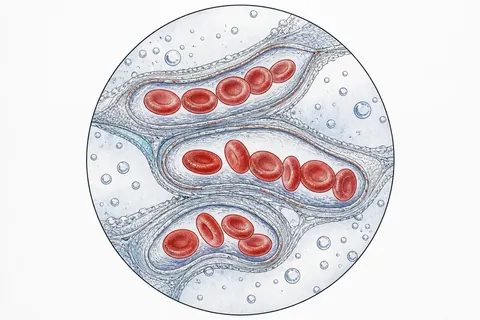
What Does the EBO2 (EBOO) Filter Actually Remove?
What the EBO2 (EBOO) filter removes: what papers measured, what is theory borrowed from dialysis, what clinics claim, and what a filtrate lab report must show.
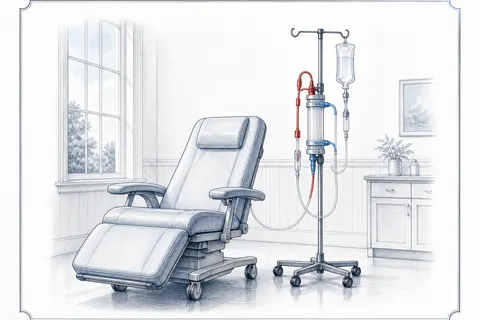
What to Expect at an EBO2 (EBOO) Session: A Timeline From Clinic Pages and the Studies
An EBO2 (EBOO) visit stage by stage, from what clinic pages and the published studies say: intake and labs, preparation, the hour on the circuit, aftercare.